
Five. Red. Dots. What Mathew Knowles Wants Every Man to Know About Hereditary Cancer
Picture this: You're getting ready for bed, pulling off your white T-shirt, when you notice it. A small red dot. No big deal, right? Maybe something splashed on your shirt during the day.
The next night, same thing. This time five dots, same spot. Your wife mentions she's been finding red stains on the sheets on your side of the bed.
Most men would ignore it. Mathew Knowles almost did too.
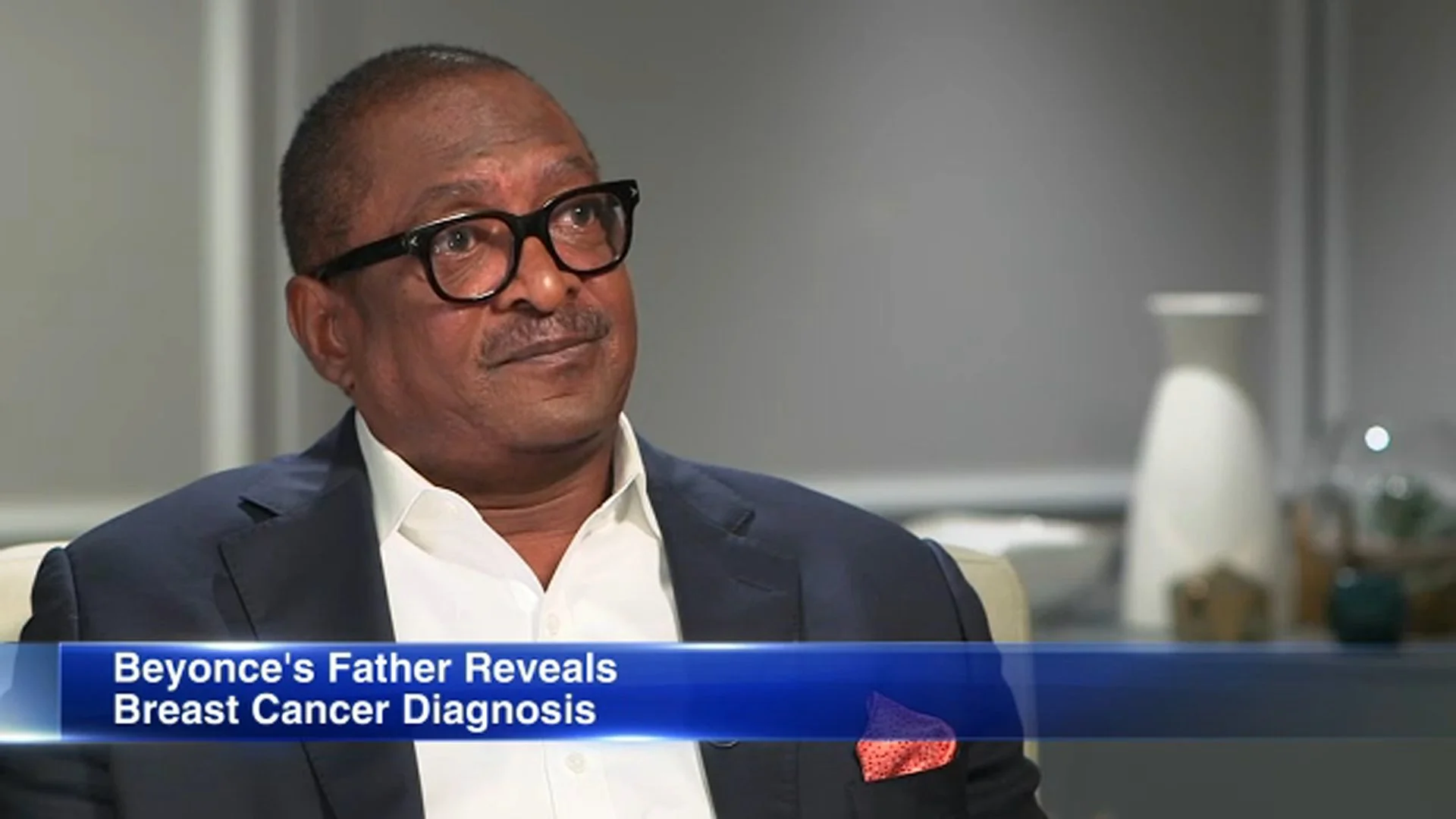
But here's where Knowles' story takes an unusual turn, one that would ultimately save his life and launch him into a mission that has nothing to do with platinum records or Grammy awards. Twenty years before those red dots appeared, Knowles spent nearly two decades selling MRI and mammography machines. Somewhere in all those sales presentations and medical equipment demos, a piece of information lodged itself in his memory: bloody nipple discharge can be a warning sign of breast cancer in men.
"I knew something wasn't right," Knowles recalls. So he did something his doctor admitted he'd never experienced before from a male patient: he requested a mammogram.
The diagnosis came back Stage 1A breast cancer.
After his mastectomy in July 2019, Knowles underwent genetic testing, and this is where his story transforms from a personal health crisis into something that would rewrite the health narrative for countless families in the same way that Angelina Jolie did for women.
Knowles carries a BRCA2 gene mutation. A genetic mutation in a family of genes that are now almost synonymous with Jolie. Except here's what the headlines don't always tell you: men carry BRCA genes too, and when they mutate, the consequences can be just as impactful.
With a BRCA2 mutation, Knowles learned he wasn't just at higher risk for breast cancer. He was staring down elevated odds for prostate cancer and pancreatic cancer. The breast cancer was a symptom, but the mutation was the bigger story.
What Men Are Keeping Quiet
Since going public with his diagnosis, something strange keeps happening to Knowles. Men approach him at events, lean in close, and whisper: "You know, I have that too."
Think about that for a second. Grown men, some of them high-profile, successful individuals, are whispering about a cancer diagnosis like it's something shameful. Like having a mutation in your DNA is somehow their fault.
This is the invisible wall Knowles is trying to demolish. The statistics say 1 in 833 men will develop breast cancer in their lifetime. But Knowles suspects the real number is higher. How many men are suffering in silence? How many are ignoring symptoms because "breast cancer is a woman's disease"? How many die without anyone ever knowing they had it?
"Men want to keep it hidden, a secret, we feel embarrassed," Knowles says. "And there's no reason for that."
Here's what the silence costs: less research funding, fewer clinical trials, delayed diagnoses, and men who discover their cancer at Stage 3 or 4 when it could have been caught at Stage 1. The stigma isn't just uncomfortable. It's literally killing men.
The stakes are often even higher for black men. Black men already face worse cancer outcomes across the board. When you add in the shame factor, the lack of awareness about genetic testing, and the historical mistrust of the medical system, you've got a perfect storm of missed opportunities for early detection.
Knowles doesn't just want men to get tested. He wants to change the entire conversation.
Following the Breadcrumbs
After his BRCA2 diagnosis, Knowles did something most people never think to do: he became a detective in his own family history.
Working with researchers at the University of Washington and ConnectMyVariant, he started tracing cancer through his family tree. Not just parents, but grandparents. Great-grandparents. Cousins twice removed. They read obituaries, tracked down medical records where they could, and mapped out a genealogy of disease.
The pattern emerged on his mother's side, his grandmother, an aunt and her two daughters. Each diagnosis had seemed random, isolated. Nobody had connected the dots, and nobody knew they were all chapters in the same genetic story.
For years, multiple people in Knowles' family faced cancer diagnoses, went through treatment, survived or didn't. None of them knew that a simple genetic test could have predicted their risk, led to earlier screening, and even saved lives.
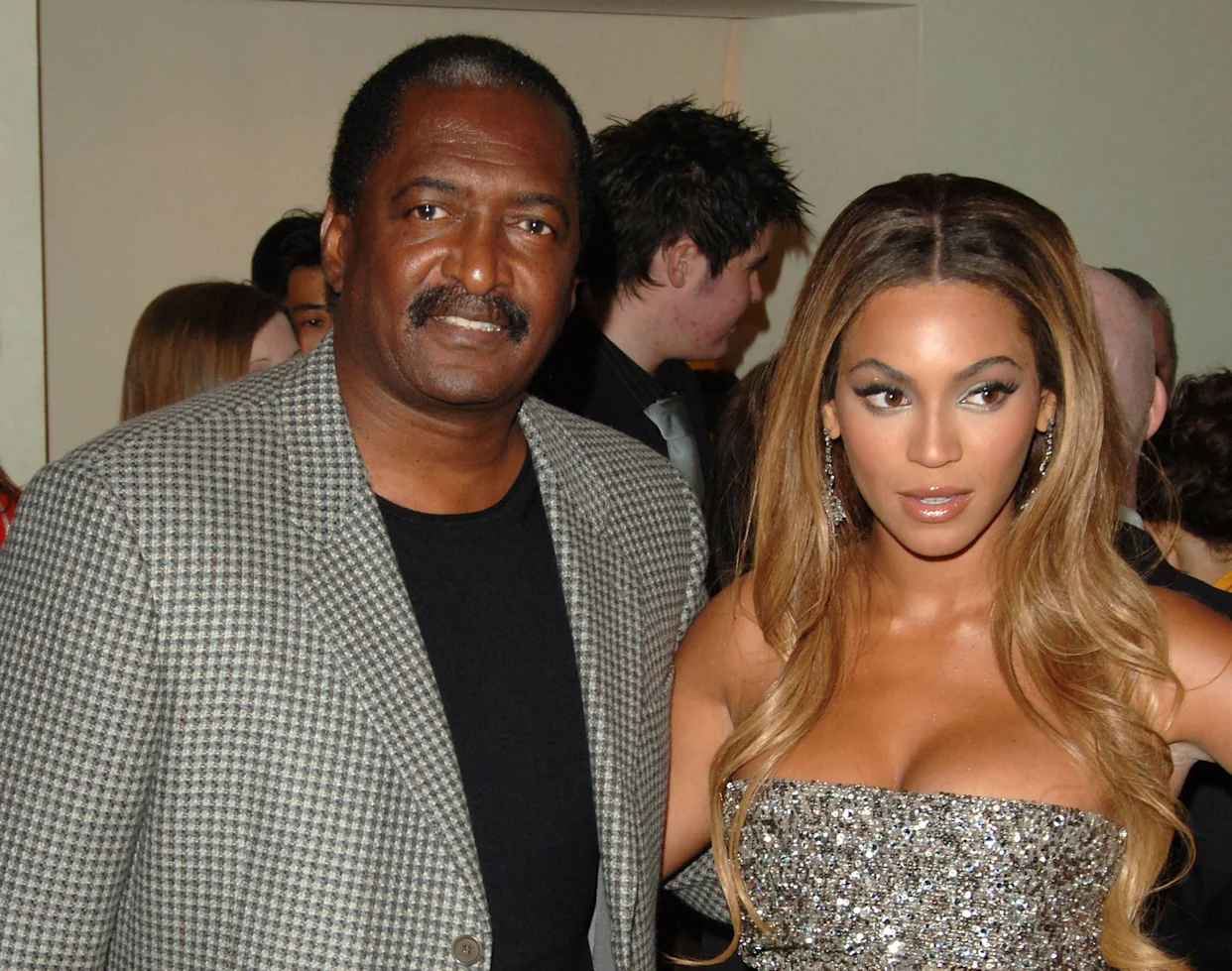
When Knowles discovered his BRCA2 mutation, his daughters Beyoncé and Solange got tested. Both came back negative. They had dodged the genetic bullet.
But Knowles didn't stop there. He tracked down other relatives, encouraged them to test, and even convinced a reluctant cousin's son by explaining it wasn't just about him. It was about his kids, his siblings, everyone downstream in the family tree who could benefit from knowing.
"Knowledge is power," Knowles says. And he means it literally. One test, a single data point, can illuminate risk for an entire bloodline.
Here's the thing that nobody talks about: most people only discover they have a BRCA mutation after they're diagnosed with cancer, but it doesn't have to work that way. What if you knew before it was already too late? What if you could screen more frequently, make lifestyle changes, catch it at Stage 1 instead of Stage 4?
Excuses That Mask Anxiety
"It's probably invasive."
It's a saliva test.
"It must be expensive."
BRCA testing is often free for people with identified risk factors like family history, Jewish ancestry or a cancer diagnosis. It is also increasingly affordable when not covered.
"What if I find out something I don't want to know?"
And what if you don't find out until it's too late? Many ‘cancer genes’ are what we call “actionable,” meaning that if you know you carry one, there are things you can do to prevent cancer, catch it earlier when it is more treatable and even treat it more effectively, no matter which stage it’s caught at.
Knowles has heard every excuse, every rationalization men use to avoid genetic testing. He will be the first to say he gets it. Information can be scary. But as someone who caught his cancer early precisely because he had the right information, he knows which is scarier: knowing your risk or facing advanced cancer that could have been prevented.
As a global ambassador for AstraZeneca's BeBRCAware campaign, Knowles isn't just raising awareness. He's trying to normalize genetic testing the way we've normalized annual physicals or dental cleanings – not dramatic, not scary, just smart, routine healthcare.
So What Now?
If you're reading this and thinking "okay, but what do I actually do?" Here's where Knowles would tell you to start:
Talk to your doctor about genetic testing. If you have that family history, don't wait for your doctor to suggest it. Knowles' own doctor was surprised when he asked for a mammogram. Resources like BeBRCAware.com can help you prepare for that conversation.
Know what normal feels like for your body. Unusual lumps, nipple discharge (especially if there's blood), or changes in your chest tissue. Keep an eye on any urinary or sexual symptoms and don’t dismiss them without a quick check.
If you're diagnosed, speak up. Not everyone needs to announce it to the world like Knowles did. But consider telling your family, your close friends, maybe your community. Every man who shares his story makes it easier for the next guy to do the same.
Talk about it in the family. Ask your parents, your aunts and uncles, your grandparents about the family health history. Write it down. Make a family health tree. If there's a pattern (multiple cancers affecting sex organs, pancreatic cancer, late-stage or aggressive cancers), it is your cue to dig deeper.
The Real Bottom Line
Five years out, Knowles has lost 30 pounds, changed his diet, and walks two miles in 45 minutes. He caught his cancer at Stage 1A, when it is most treatable, had the mastectomy, and didn't need radiation. He's living a full life, not despite his diagnosis, but arguably because of it.
Mathew Knowles spent decades building careers for two of the most iconic artists in modern music. But here's the thing about legacy: it's not always what you expect it to be.
To learn more about Mathew Knowles' advocacy work, follow his journey at ConnectMyVariant.org. To learn more about private and public testing options for British Columbians, visit www.brcainbc.ca.